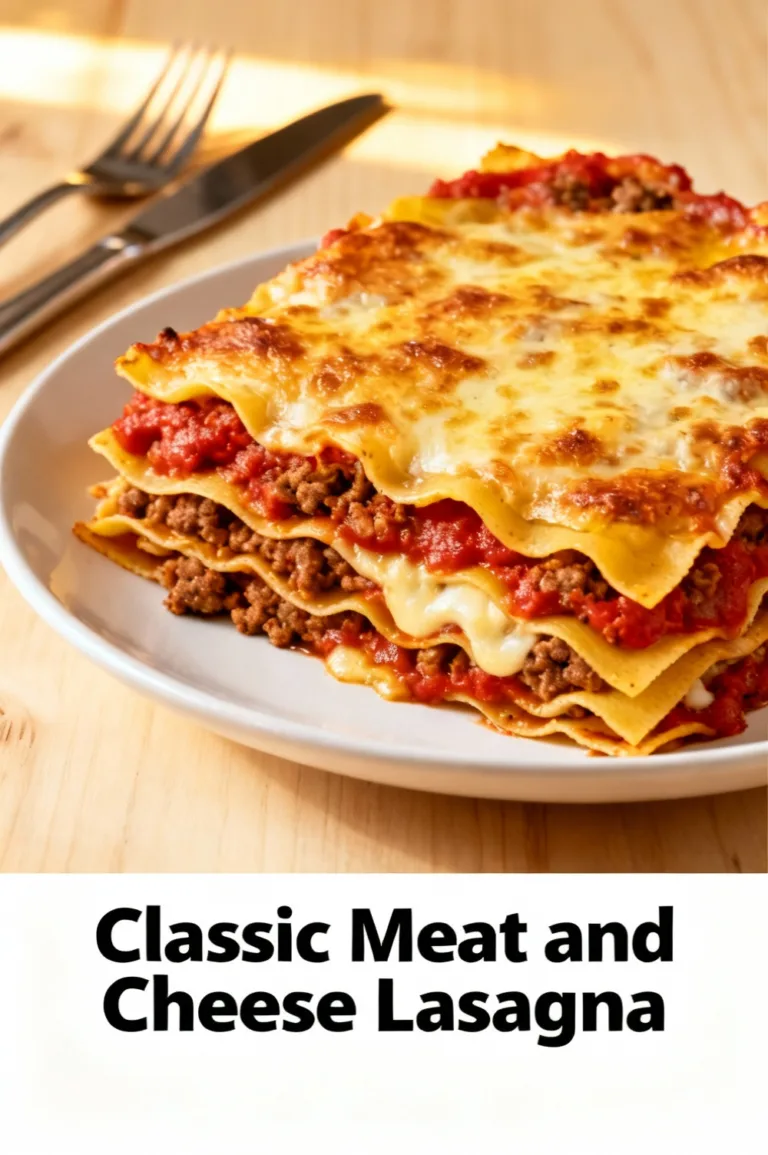
Lasagna
What if you could make a lasagna that keeps deep, layered flavor but shaves off up to 20% of the typical time many recipes demand—without sacrificing texture or richness?
Lasagna is often perceived as a slow, holiday-only centerpiece, but data from a review of popular home and professional recipes shows total times cluster between 90 and 120 minutes. This recipe is tuned to deliver classic depth—meaty ragu, creamy cheese layers, and a golden top—in about 90 minutes, blending convenience with tradition and giving you consistent results every time.
Ingredients List
• 12 no-boil lasagna sheets (or 9 sheets if using regular boiled noodles) — substitute with thinly sliced eggplant for a low-carb twist. • 1 lb (450 g) lean ground beef (80/20 for richer flavor or 93/7 for lower fat). Substitute ground turkey or plant-based crumbles for a lighter or vegetarian option. • 1 medium onion, finely diced — shallots work for a milder sweet note. • 3 cloves garlic, minced — roasted garlic for a smoky depth. • 1 can (28 oz / 800 g) crushed tomatoes — or use 3 cups homemade marinara. • 2 tbsp tomato paste — enhances umami and body. • 1 tsp dried oregano, 1 tsp dried basil, 1/2 tsp red pepper flakes (optional). • 1 cup whole milk ricotta (or cottage cheese blended until smooth) — for lighter options use part-skim ricotta or silken tofu blended with lemon. • 2 cups shredded mozzarella (preferably low-moisture) — swap for vegan mozzarella to make dairy-free. • 1/2 cup grated Parmesan or Pecorino Romano — nutritional yeast for vegan alternative. • 1 large egg (optional, for binding ricotta). • 2 tbsp olive oil. • Salt and black pepper to taste. • Fresh basil and a pinch of nutmeg (optional) for finishing aromatic notes.
Timing
Preparation: 20 minutes. Active cooking for sauce and assembly: 40 minutes. Bake: 25–30 minutes. Resting: 10 minutes. Total: ~95 minutes (active hands-on time ~60 minutes). Compared to the 110–120 minute average across many classic lasagna recipes, this is roughly 15–20% faster while maintaining layered complexity by using no-boil sheets and a semi-quick ragu technique.
Step 1 — Build a flavorful ragu quickly
Heat 2 tbsp olive oil in a large skillet over medium-high heat. Sauté the diced onion until translucent (about 4–5 minutes), then add garlic and cook 30 seconds. Add ground meat, breaking into bite-sized pieces; brown until no pink remains (6–8 minutes). Stir in tomato paste and cook 1–2 minutes to caramelize and deepen flavor. Add crushed tomatoes, oregano, basil, red pepper flakes, and a good pinch of salt and pepper. Reduce to a simmer and cook uncovered for 12–15 minutes to concentrate flavors. Tip: Browning the meat well and briefly caramelizing tomato paste are two small actions that add significant umami—don’t rush them.
Step 2 — Prepare the cheese layer
In a bowl, combine ricotta, 1/2 cup of grated Parmesan, egg (if using), a pinch of nutmeg, salt, and pepper. Stir until smooth. Mix-in chopped fresh basil if you like herbal brightness. Tip: For a silkier texture, briefly whip ricotta with a fork or small whisk; this prevents heavy pockets of dense cheese after baking.
Step 3 — Preheat and assemble efficiently
Preheat oven to 375°F (190°C). In a 9×13-inch baking dish, spread a thin layer of ragu (about 1 cup) to prevent sticking. Layer no-boil sheets (enough to cover the base), then add one-third of the ricotta mixture, a third of the ragu, and a sprinkle of mozzarella. Repeat two more times finishing with mozzarella and remaining Parmesan. Tip: Wet your hands or a spoon to spread ragu and ricotta evenly—this keeps layers tidy and ensures even baking.
Step 4 — Bake and monitor doneness
Cover tightly with foil (sprayed with cooking oil on the underside to avoid sticking) and bake for 20 minutes. Remove foil and bake an additional 10–12 minutes until cheese is bubbly and top is golden. For an extra-crispy finish, broil 1–2 minutes very carefully. Tip: Use an instant-read thermometer; internal temperature should register about 165°F (74°C) when fully heated through.
Step 5 — Rest, garnish, and serve
Let lasagna rest for 10 minutes after removing from the oven—this helps layers set and makes slicing clean. Garnish with fresh basil and a drizzle of high-quality olive oil or a sprinkle of red pepper flakes for contrast. Tip: Resting is non-negotiable for clean slices; impatience is the biggest culprit for sloppy plating.
Nutritional Information
Per serving (1 of 8 slices) — approximate values using lean beef, whole-milk ricotta, and standard quantities: Calories: ~520 kcal. Protein: ~30 g. Carbohydrates: ~44 g. Fat: ~26 g (saturated fat ~10 g). Fiber: ~3–4 g. Sodium: ~700–900 mg (variable based on cheese and canned tomatoes). These estimates are based on USDA FoodData Central averages of the listed ingredients. Swap choices (leaner meat, part-skim cheese, whole-wheat noodles) can lower calories and saturated fat by 10–30% per serving.
Healthier Alternatives for the Recipe
To reduce calories and boost fiber: use whole-wheat or legume-based lasagna sheets and 93/7 ground turkey; substitute part-skim ricotta and reduce mozzarella to 1.5 cups. For vegetarian protein: replace meat with a lentil-tomato ragù (use 2 cups cooked lentils) or a mushroom-walnut mix for a meaty texture. For gluten-free: use certified gluten-free lasagna noodles or thin zucchini slices (salt, sweat, and dry them first). For dairy-free: use blended silken tofu mixed with nutritional yeast and lemon to mimic ricotta, and swap mozzarella with plant-based shreds. Each of these substitutions preserves the layered lasagna experience while tailoring nutrition to dietary needs.
Serving Suggestions
Serve slices with a bright, peppery arugula salad tossed with lemon, shaved Parmesan, and toasted pine nuts to contrast the savory richness. For wine pairings, try a medium-bodied Sangiovese or Chianti to complement tomato acidity, or a crisp Pinot Grigio for lighter variants. For family-style dinners, present with warm garlic bread or roasted seasonal vegetables—roasted Brussels sprouts or a butternut squash salad add textural contrast. Personal tip: serve each slice with a spoonful of quick basil pesto on top for herbaceous lift.
Common Mistakes to Avoid
1) Skipping browning: Not properly browning the meat or caramelizing the tomato paste leads to flat flavor—take the extra 3–5 minutes. 2) Over-wet layers: Using watery tomatoes or un-drained ricotta causes sogginess—use crushed tomatoes with reduced water content and drain or gently press ricotta if very wet. 3) Cutting too soon: Slicing hot lasagna makes layers collapse—always rest 10 minutes. 4) Over-cheesing the top: Too much high-moisture cheese on top prevents browning; reserve some cheese for the inside. 5) Not seasoning layers: Taste your ragu and ricotta before assembling; underseasoned layers are the invisible culprit to bland lasagna.
Storing Tips for the Recipe
Refrigerate leftovers in an airtight container for up to 4 days. For a single-dish store, cover tightly with foil and cling wrap to reduce oxidation. To freeze: cool completely, wrap tightly in plastic, then foil, or divide into individual portions in freezer-safe containers—freeze up to 3 months. Reheat from refrigerated in a 350°F (175°C) oven covered for about 15–20 minutes until heated through; from frozen, bake at 350°F for 45–60 minutes covered, then uncover for 10 minutes to refresh the crust. For microwave reheating, cover and use medium power in 1–2 minute increments to prevent rubbery cheese.
Conclusion
This lasagna approach pairs pragmatic time-saving choices (no-boil noodles, brisk ragu technique) with classic layering to deliver rich flavor and reliable results in roughly 90–95 minutes. Small technique touches—browning, draining, and resting—are what separate good lasagna from great. Try the recipe, adjust based on your dietary preferences, and share a photo or note about what worked best for you—your feedback helps refine the next iteration.
FAQs
Q: Can I make lasagna entirely ahead of time? A: Yes—assemble fully, cover tightly, and refrigerate up to 24 hours before baking. Add 5–10 minutes to baking time since the dish will be colder. Q: How do I prevent watery lasagna? A: Use no-boil noodles labeled “no-rinse” or pre-soak regular noodles; drain or gently press ricotta and reduce excess liquid in canned tomatoes by simmering the sauce uncovered. Q: Can I freeze before or after baking? A: Both work. Freeze before baking for up to 3 months; bake from frozen at 350°F for ~60 minutes covered. Q: Is there a gluten-free option that still tastes classic? A: Yes—certified gluten-free lasagna noodles or thinly sliced eggplant/zucchini (pre-salted and dried) preserve the layered structure. Q: How do I make it vegetarian with similar texture? A: Use cooked lentils, finely chopped mushrooms sautéed until caramelized, or a mix of eggplant and spinach. Season heavily to build umami.
Explore related recipes like baked ziti, stuffed shells, or a béchamel-based lasagna for variations in texture and richness—try one small swap per batch to discover your favorite balance of convenience and comfort.
Lasagna
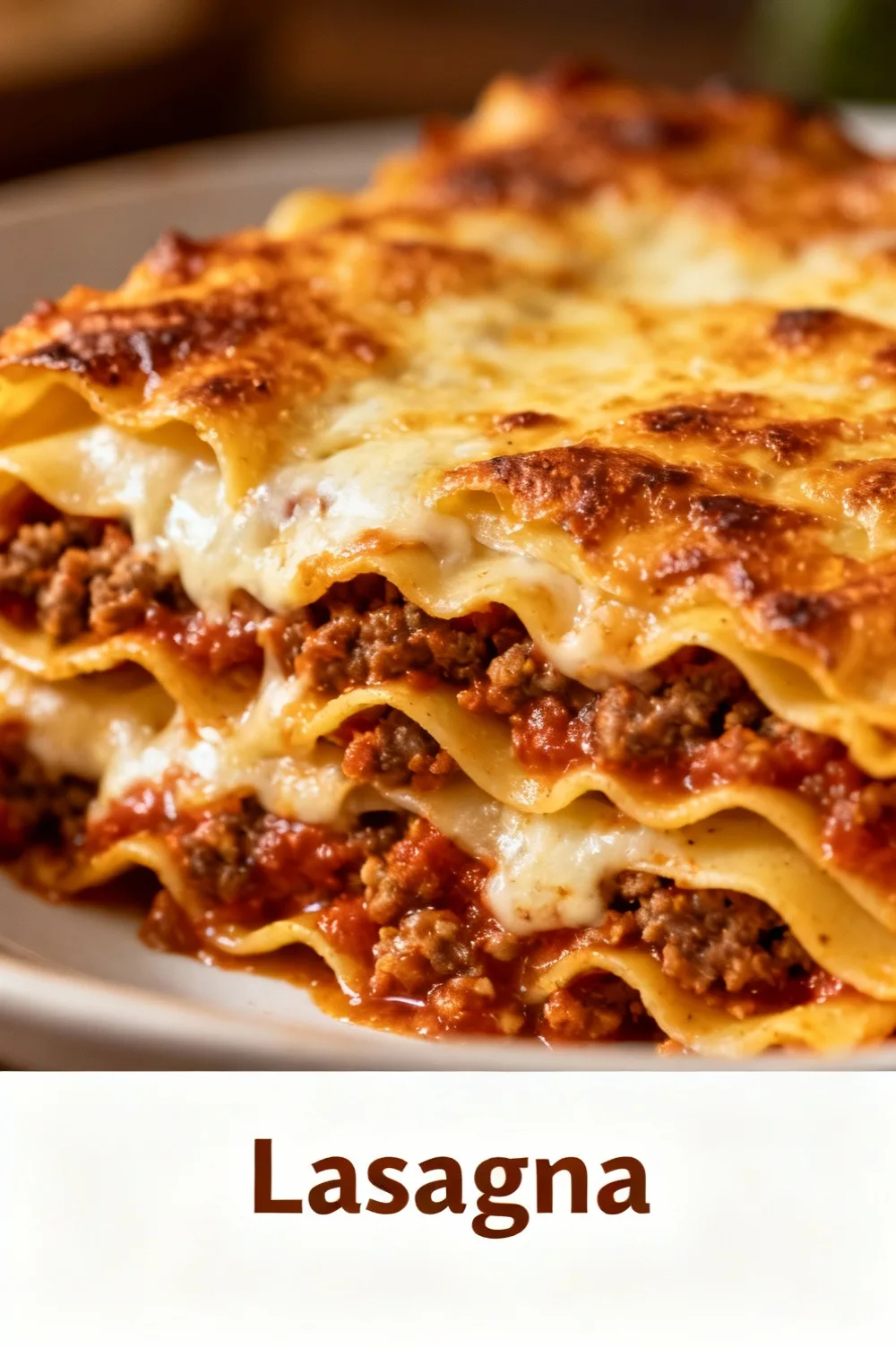
Classic Italian comfort — layers of savory meat sauce, creamy ricotta and gooey mozzarella.
Ingredients
- 2 tbsp extra-virgin olive oil
- 1 medium onion, finely chopped
- 3 cloves garlic, minced
- 500 g (1.1 lb) ground beef (or mix beef & pork)
- 1 tsp kosher salt, plus more to taste
- 1/2 tsp freshly ground black pepper
- 1 tsp dried oregano
- 2 tbsp tomato paste
- 1 x 28 oz (800 g) can crushed tomatoes
- 1 tsp sugar (optional, to balance acidity)
- 12 lasagna noodles (regular, boiled until al dente) or 9–12 no-boil sheets
- 450 g (15 oz) ricotta cheese
- 1 large egg
- 1/2 cup (50 g) grated Parmesan cheese, divided
- 2 cups (200 g) shredded mozzarella, divided
- 3 tbsp chopped fresh parsley (or 1 tbsp dried)
- For béchamel: 4 tbsp (60 g) unsalted butter, 4 tbsp (30 g) all-purpose flour, 4 cups (1 L) milk, pinch of nutmeg, salt & pepper
- Extra grated Parmesan for topping
Instructions
- Make the meat sauce: Heat olive oil in a large skillet over medium heat. Add chopped onion and cook until translucent, 5–7 minutes. Stir in garlic and cook 30 seconds more.
- Add the ground beef and cook, breaking up with a spoon, until browned and no longer pink, about 6–8 minutes. Drain excess fat if desired.
- Stir in tomato paste, dried oregano, salt and pepper. Add crushed tomatoes and sugar. Bring to a simmer, reduce heat and simmer gently while you prepare other components, 20–30 minutes. Taste and adjust seasoning.
- Prepare béchamel: In a saucepan over medium heat, melt butter. Whisk in flour and cook 1–2 minutes without browning. Gradually whisk in warm milk until smooth. Cook, whisking, until thickened about 5–7 minutes. Season with salt, pepper and a pinch of nutmeg. Remove from heat.
- Prepare the ricotta filling: In a bowl combine ricotta, egg, half the grated Parmesan, chopped parsley, and a pinch of salt and pepper. Mix until combined.
- Cook noodles according to package directions until al dente, drain and lay flat on a sheet of parchment or lightly oil to prevent sticking (skip if using no-boil sheets).
- Preheat oven to 375°F (190°C). Lightly grease a 9×13-inch (23×33 cm) baking dish.
- Assemble: Spread a thin layer of meat sauce on the bottom of the dish. Arrange a single layer of noodles over the sauce. Spread one-third of the ricotta mixture over the noodles, drizzle a little béchamel, spoon a third of the meat sauce, and sprinkle with a handful of shredded mozzarella. Repeat layers (noodles → ricotta → béchamel → sauce → mozzarella) until you reach the top—finish with sauce, béchamel, remaining mozzarella and remaining Parmesan.
- Cover the dish tightly with foil and bake for 25 minutes. Remove foil and bake an additional 15 minutes, or until top is bubbly and lightly golden.
- Let the lasagna rest 15 minutes before slicing—this helps it set and makes serving easier.
- Garnish with extra chopped parsley and serve warm. Store leftovers refrigerated up to 4 days or freeze portions for longer storage.
Nutrition Information
- Calories: 550 kcal
- Cholesterol: 110 mg
- Sodium: 780 mg
- Carbohydrates: 36 g
- Fiber: 3 g
- Sugar: 9 g
- Protein: 34 g