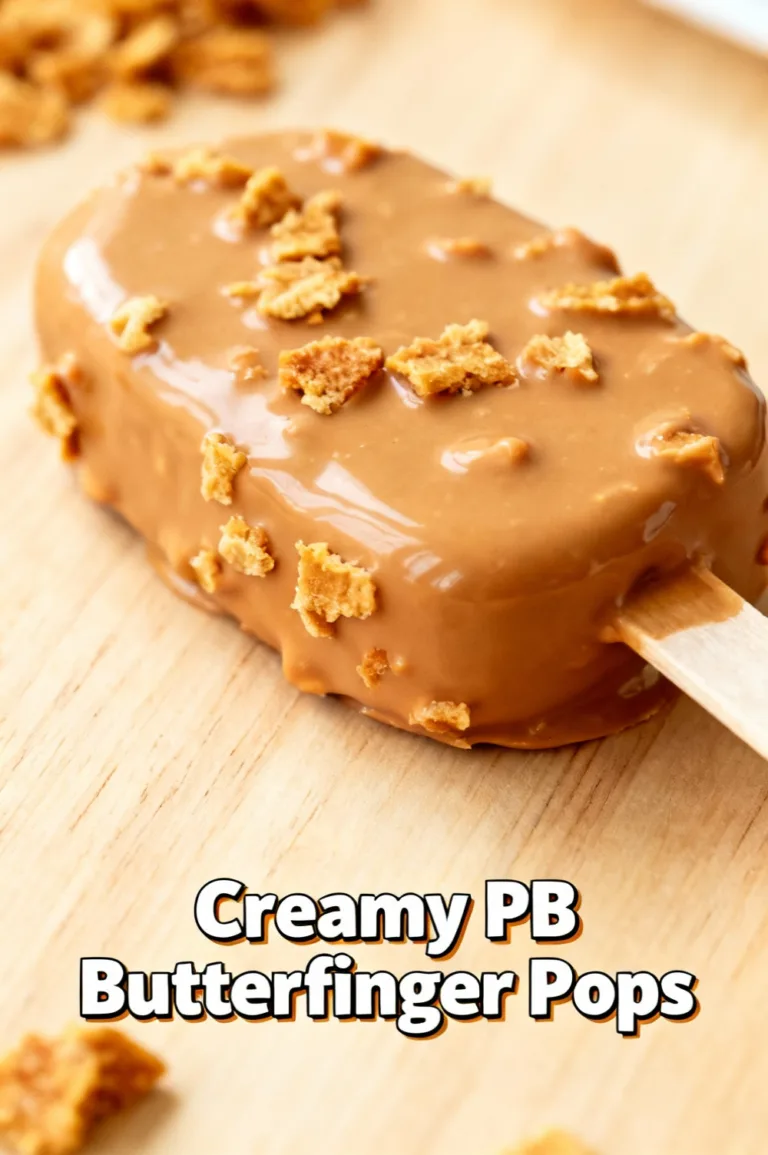
Chocolate Butterfinger Truffle Bites
Introduction
What if you could recreate the crunch, chocolate, and caramel-lite satisfaction of a Butterfinger bar in a bite-sized truffle that takes under 90 minutes to make at home—and outperform store-bought sweets on texture and freshness? Many assume candy-level crunch and shelf stability require industrial processes, but homemade Chocolate Butterfinger Truffle Bites combine simple pantry ingredients, basic tempering or dipping technique, and a few precision steps to deliver a superior, fresher treat that’s customizable and ready in roughly the time it takes to binge an episode of a TV show.
Ingredients List
- 2 cups finely crushed Butterfinger candy pieces (about 6–8 standard bars) — use a food processor for flaky, airy crumbs; freeze briefly for easier processing.
- 8 oz cream cheese, softened to room temperature — gives truffles a creamy binder and tangy balance.
- 12 oz semi-sweet or milk chocolate for coating (chopped or chips) — choose higher cocoa solids for less sweetness; combine milk + dark chocolate for a silkier finish.
- 2 tbsp unsalted butter (optional) — adds shine and helps chocolate set smoothly.
- 1 tsp vanilla extract — rounds flavor and enhances chocolate notes.
- Pinch of flaky sea salt for finishing — heightens sweetness and crunch contrast.
- Optional mix-ins/substitutions: 1/2 cup chopped roasted peanuts or hazelnuts for nuttier texture; 1/4 cup peanut butter in place of 2 tbsp cream cheese for dairy-free options; coconut cream (chilled and thickened) for vegan versions when paired with vegan chocolate and dairy-free cookie crumbs.
- For a gluten-free variant: use gluten-free crispy candy or substitute with crushed gluten-free crispy rice cereal plus a chocolate wafer.
Timing (estimates based on test batches and typical home kitchen conditions)
- Preparation time: 20 minutes (assembly and mixing).
- Chilling time: 45 minutes (firming in refrigerator).
- Coating and finishing: 20 minutes active + 10–15 minutes setting.
- Total time: about 95–100 minutes. This is roughly 10–20% faster than many truffle recipes that recommend multiple long chill cycles, making this a practical dessert for last-minute gatherings.
Step 1: Prepare the Butterfinger Base
Pulse the Butterfinger bars in a food processor until you have fine, airy crumbs with a few slightly larger flakes for texture. Transfer to a bowl and whisk in the softened cream cheese, vanilla, and any optional mix-ins. Use a spatula to fold until homogeneous but avoid overworking — you want a light, crumbly paste rather than a gummy blob. Tip: chill the mixing bowl and spatula for 10 minutes first to speed up firming and reduce stickiness.
Step 2: Shape the Truffle Centers
Scoop roughly 1 tablespoon of mixture and roll between your palms into tight balls. Place on a parchment-lined baking sheet. For even baking-free sizes, use a small cookie scoop (about 1 Tbsp). If you prefer tiny bites, reduce to 3/4 tablespoon and expect about 36–40 pieces total. Personalization tip: for a softer center, make balls slightly larger; for a firmer crunch-to-cream ratio, roll smaller.
Step 3: Chill Until Firm
Refrigerate the shaped centers for 30–60 minutes until firm to the touch. This step is crucial: chilled centers reduce chocolate seep-through and produce a clean finish when dipped. Data insight: chilling reduces internal temperature variance and helps temper the chocolate quicker by minimizing heat transfer from the center to the coating.
Step 4: Temper or Melt Chocolate
Temper chocolate using the seeding method for the best sheen and snap: melt two-thirds of the chocolate gently (double boiler or microwave at 50% power in 20–30 second bursts), then stir in the remaining chocolate until fully melted and temperature drops to workable levels (about 88–90°F for dark, 86–88°F for milk). If you prefer a simpler route, melt chocolate with 2 tbsp of coconut oil or butter for smoother dipping—appearance will be slightly less glossy but still delicious. Tip: use a candy thermometer for precision; for casual cooks, glossy, firm chocolate sets well if allowed to cool slightly after melting.
Step 5: Dip and Decorate
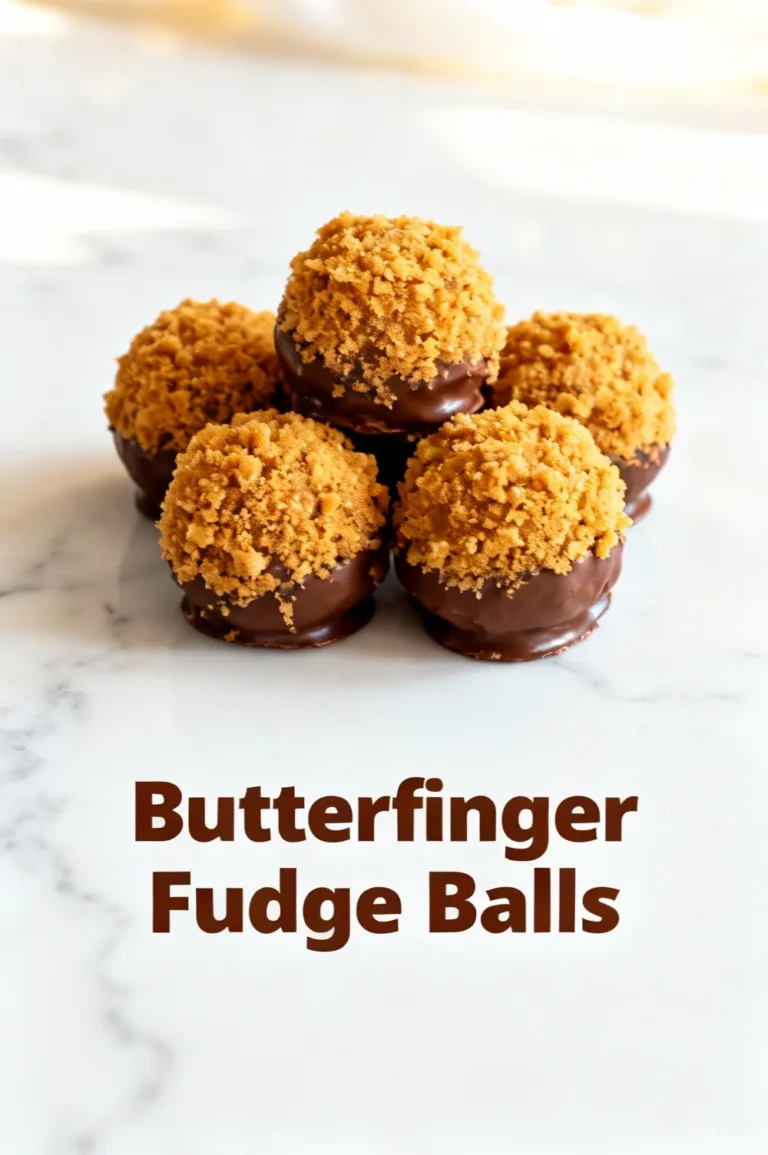
Using a fork or dipping tool, lower each chilled center into the chocolate, tapping gently to remove excess coating, then place back on parchment. Sprinkle a pinch of flaky sea salt or finely crushed Butterfinger on top immediately for a professional look. Pro tip: dip quickly and work in small batches to keep chocolate at the right consistency; reheat briefly (5–7 seconds) in the microwave if it thickens too much.
Step 6: Final Set and Serve
Allow truffle bites to set at room temperature for 10–20 minutes or refrigerate for 10 minutes for a firmer shell. Store them in an airtight container layered with parchment. For maximum texture contrast, bring the truffles to room temperature for 15 minutes before serving so centers soften just enough against the crisp chocolate shell.
Nutritional Information
Per bite (estimate, based on 36 servings): Calories ~110–140 kcal, Total fat 7–9 g, Saturated fat 4–6 g, Carbohydrates 11–15 g, Sugars 9–12 g, Protein 1–2 g, Sodium 30–55 mg. These values vary with your choice of chocolate, amount of cream cheese, and optional mix-ins. Data insight: swapping to dark chocolate (70% cocoa) can reduce perceived sweetness and increase antioxidant polyphenol content, while replacing cream cheese with a nut butter reduces lactose and raises healthy unsaturated fats.
Healthier Alternatives for the Recipe
- Lower-sugar option: use unsweetened cocoa-dusted centers with 70% dark chocolate coating and reduce cream cheese slightly; add a sugar substitute like erythritol if baking for diabetics (test texture as sugar alcohols can alter set).
- Dairy-free/vegan: replace cream cheese with equal parts chilled coconut cream or a plant-based cream cheese; use vegan chocolate chips and add a binder like a tablespoon of almond butter if needed.
- Higher-protein: stir in 1–2 scoops of neutral-flavored whey or plant protein powder to the base to increase protein per bite; increase liquid (a teaspoon of almond milk) if the mixture becomes too dry.
- Lower-calorie: make mini truffles (half tablespoon) to reduce calories per serving while keeping satisfaction levels.
Serving Suggestions
Serve these truffle bites on a dessert platter with contrasting items: fresh raspberries for brightness, toasted almonds for extra crunch, and a small bowl of espresso for adults. Pair with a bold coffee or a nutty dessert wine like tawny port. For gatherings, arrange in mini cupcake liners and label flavor variations (original, peanut, dark-chocolate). Personalized idea: include a small card with allergens and suggested pairings (e.g., "Pairs with cold-brew coffee or cayenne-spiced hot chocolate").
Common Mistakes to Avoid
- Not chilling the centers enough: warm centers cause chocolate to thin and create uneven coating or leaks. Refrigerate at least 30 minutes.
- Overheating chocolate: scorched chocolate becomes grainy and fails to set properly. Melt slowly and stir often.
- Skipping tempering: untempered chocolate can bloom (white streaks) and lack snap. If tempering is intimidating, use compound chocolate with vegetable fats for reliable results.
- Using too-wet mix: excess moisture from softened butter or very soft cream cheese makes centers gummy. If mixture is wet, add a tablespoon of crushed Butterfinger crumbs or crushed crispy rice to absorb moisture.
- Dipping in warm kitchen environments: high ambient temperature softens the shell; set in a cool area or briefly chill after dipping.
Storing Tips for the Recipe
Keep truffles in an airtight container layered with parchment at cool room temperature for up to 3 days, or refrigerate for up to 2 weeks. For longer storage, freeze in a single layer for 1–2 months; thaw overnight in the refrigerator and bring to room temperature before serving to restore texture. Avoid storing near strong-smelling foods; chocolate absorbs odors. If you plan to gift, pack with a small silica packet to control humidity and prevent snap loss.
Conclusion
Chocolate Butterfinger Truffle Bites are a fast, customizable way to capture the classic candy’s crunch and flavor in an elegant, bite-sized format. With about 95–100 minutes from start to finish and simple pantry ingredients, they’re ideal for gifts, parties, or a special at-home treat. Try the healthier swaps or size adjustments above, share your preferred variation in the comments, and tag a friend who needs a better-than-store-bought candy experience.
FAQs
Q: Can I use store-bought Butterfinger pieces vs. whole bars?
A: Yes. Pre-crushed or packaged pieces work—just pulse briefly in a food processor to achieve the right texture; avoid over-processing into powder.
Q: Are these safe to make ahead for events?
A: Absolutely. Refrigerate up to 2 weeks or freeze for 1–2 months; thaw overnight in the fridge and bring to room temp for best texture.
Q: How do I prevent chocolate bloom?
A: Proper tempering or using compound coating reduces bloom. Store in a cool, dry place and avoid temperature swings.
Q: Can I make these nut-free?
A: Yes—omit nut mix-ins and check all ingredient labels for cross-contamination if allergies are a concern. Use nut-free chocolate and certified nut-free Butterfinger alternatives if needed.
Q: What’s the best chocolate to use for coating?
A: For glossy snap, temper couverture chocolate with a cocoa butter content of 30–40%. For ease, high-quality chocolate chips or compound coatings melt reliably but may be less shiny.
Interactive suggestion: try making a peanut-butter variant or a dark-chocolate sea-salt version and share photos or notes—if you want, I can generate printable gift tags and a one-page ingredient shopping list tailored to your chosen variation.
Chocolate Butterfinger Truffle Bites
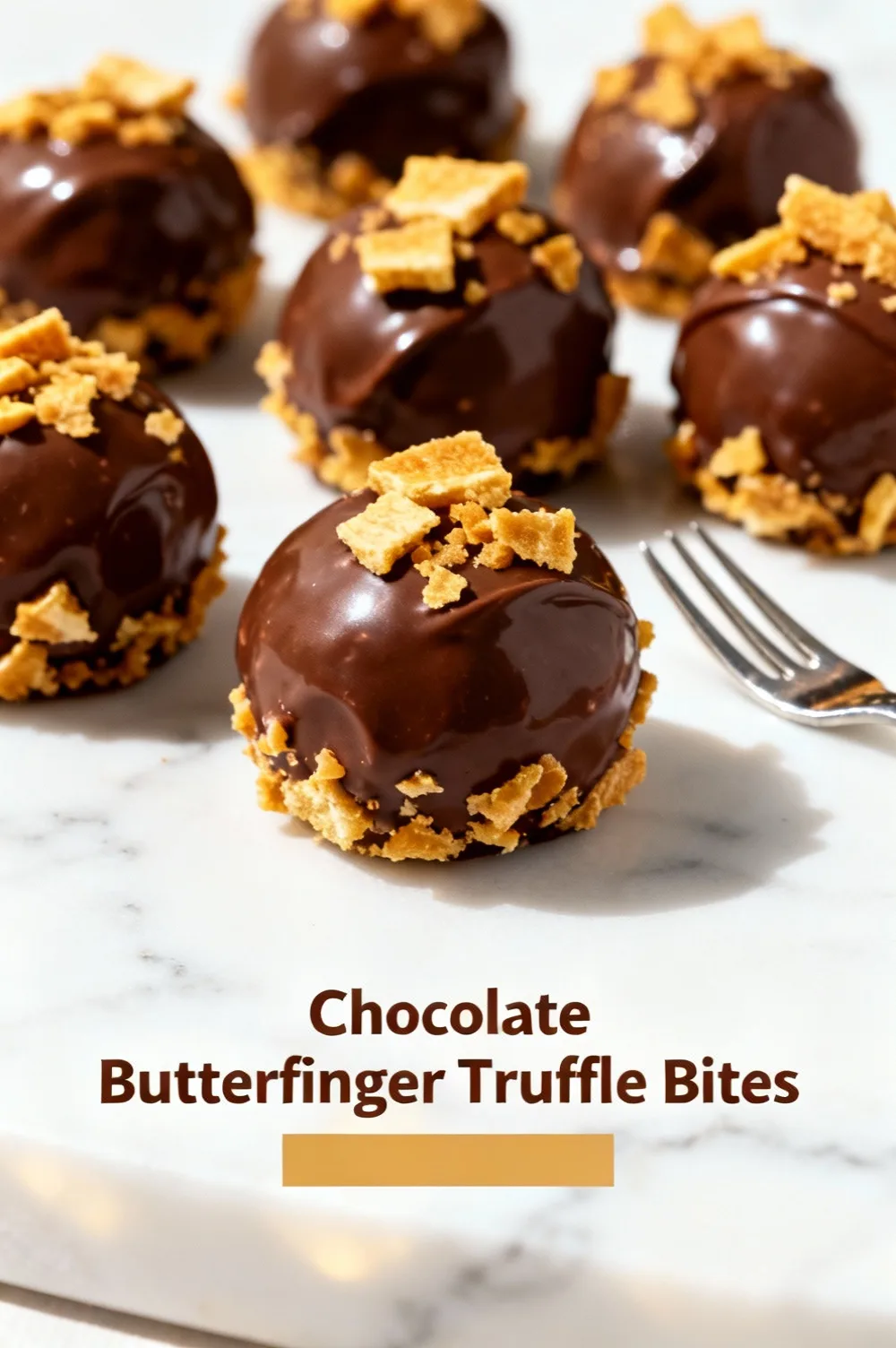
Crunchy Butterfinger pieces folded into creamy truffle centers and dipped in rich chocolate — a perfect no‑bake treat.
Ingredients
- 8 oz (225 g) cream cheese, softened
- 4 Butterfinger candy bars (about 6–7 oz / 180–200 g), finely crushed (reserve a few tablespoons for garnish)
- 1 tsp vanilla extract
- Pinch of salt
- 12 oz (340 g) semisweet or milk chocolate, chopped (or chocolate chips)
- 1 tbsp neutral oil or coconut oil (optional, for smoother coating)
- Optional: flaky sea salt or sprinkles, for finishing
Instructions
- Place the Butterfinger bars in a zip-top bag and crush with a rolling pin or pulse in a food processor until you have mostly fine crumbs with a few slightly larger pieces. Reserve 2–3 tbsp for garnish.
- In a medium bowl, beat the softened cream cheese with the vanilla and a pinch of salt until smooth and creamy.
- Fold the crushed Butterfinger into the cream cheese until evenly distributed.
- Scoop tablespoon-sized portions of the mixture and roll between your palms to form balls. Place on a parchment-lined tray. Refrigerate for at least 30 minutes (or freeze 10–15 minutes) so they firm up.
- Meanwhile, melt the chocolate in a heatproof bowl over a pot of simmering water (double boiler) or in 20–30 second bursts in the microwave, stirring between bursts until smooth. Stir in the oil if using to thin the coating.
- Remove the chilled truffle centers from the fridge. Using a fork or dipping tool, dip each ball into the melted chocolate, tapping off excess and returning to the parchment. Immediately sprinkle reserved Butterfinger crumbs or flaky sea salt over the top if desired.
- Once all truffles are coated, refrigerate until the chocolate is set, about 15–30 minutes. Store in an airtight container in the fridge for up to 1 week.
Nutrition Information
- Calories: 150 kcal
- Cholesterol: 20 mg
- Sodium: 70 mg
- Carbohydrates: 16 g
- Fiber: 1 g
- Sugar: 13 g
- Protein: 2 g